
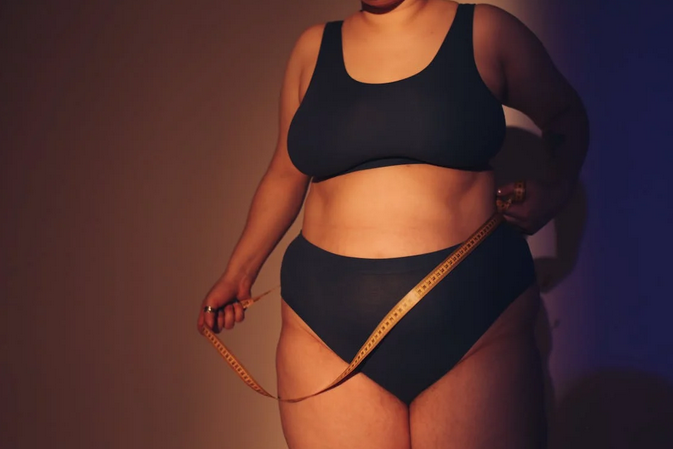
Getting back into exercise when you’re out of shape can feel like staring up at a mountain in flip-flops. The good news? You don’t need to become a fitness expert overnight. What you do need is a simple, realistic approach that gets your body moving and keeps you motivated.
Start Small, Stay Consistent
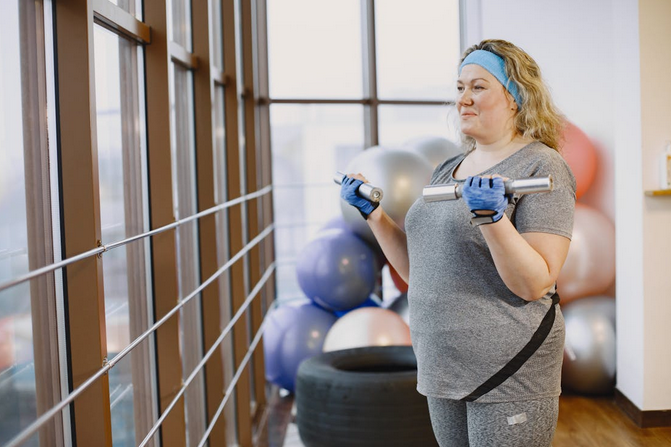
It’s tempting to want to do everything at once—sign up for a gym, buy new gear, follow a complex workout plan. But diving in too fast can lead to injury or burnout. Instead, focus on taking small steps. A 10-minute walk around the block is a solid start. From there, you can increase your activity gradually over the weeks.
Consistency beats intensity at the beginning. Commit to moving every day, even if it’s just light stretching or climbing a few stairs. The important thing is to build a habit, not break records.
Choose What Feels Right
You don’t need to punish your body to get results. Find something that feels enjoyable—or at least manageable. Maybe it’s a dance class, cycling, yoga, or a swim at the local pool. You’re more likely to stick with something if it doesn’t feel like a chore.
Avoid comparing yourself to others. The fitness industry often shows unrealistic expectations. Focus on progress over perfection. Your journey is personal, and no two paths will look exactly alike.
Listen to Your Body
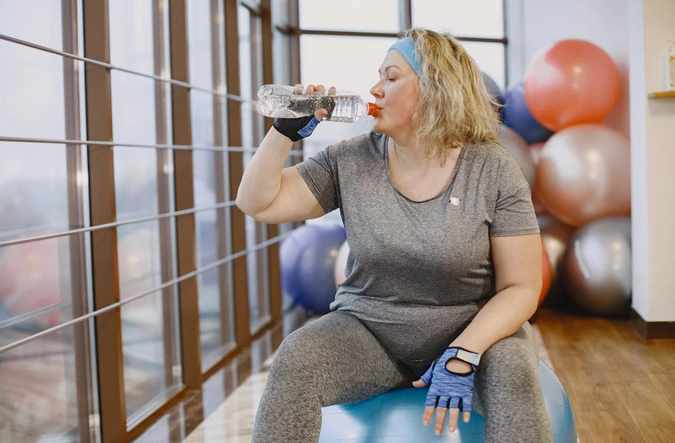
Starting from scratch means your muscles and joints will take time to adjust. Soreness is normal, but sharp pain is not. If something hurts, back off and reassess. Rest days are not a sign of weakness—they’re part of the process. It’s also a good idea to pay attention to your energy levels and sleep. If you’re constantly tired, you might be doing too much too soon. Remember, recovery plays a major role in building strength and endurance.
Fuel Your Progress
You don’t have to overhaul your entire diet right away, but nutrition matters. Eating whole foods—like fruits, vegetables, lean proteins, and whole grains—can help you feel better and recover faster. Hydration is equally important, especially if you’re sweating more than usual.
You don’t need a flawless meal plan, just better daily choices. Small swaps, like trading soda for water or fast food for home-cooked meals, can lead to big changes over time.
Set Clear and Honest Goals
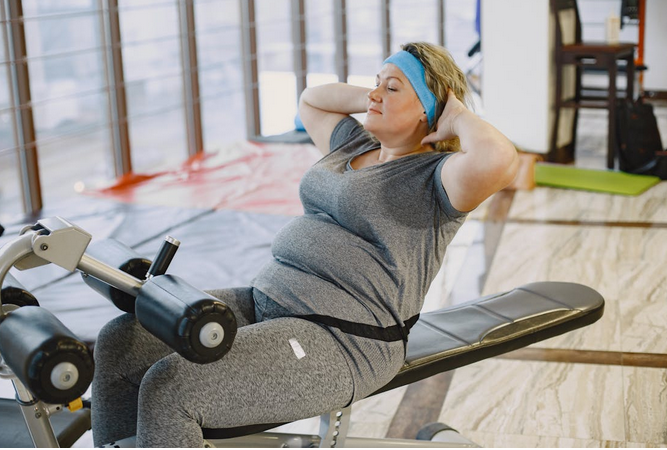
Instead of vague goals like “get fit,” aim for something more specific and measurable. Maybe you want to walk for 30 minutes without stopping or do five pushups in a row. These kinds of milestones help you track your progress and stay encouraged.
Try writing down your goals and tracking your workouts. Even a basic journal or phone app can make a big difference. Seeing your progress—even if it’s slow—can fuel your motivation.
Don’t Go It Alone
Getting support makes everything easier. Whether it’s a workout buddy, an online community, or even a personal trainer, having someone in your corner can help you stay accountable. Encouragement goes a long way when motivation dips.
Starting from zero can be intimidating, but the first step is always the hardest. Keep it simple, be kind to yourself, and remember movement is progress, no matter how slow. You’re doing more than you were yesterday—and that’s something to be proud of.